Vedic Ritual of Fire Ceremony with Swamiji
Discover the profound art of Yajna, an ancient Vedic fire ceremony that harmonizes the outer world with the inner realms. Join Swamiji, Founder and Spiritual Director of Soma Matha Spiritual Center, as he guides you through a comprehensive 38-hour journey that unveils the spiritual depths and practical wisdom of this sacred ritual.
How to Perform Yajna, Homa, Agnihotra
Learn to Perform the Ancient Vedic Fire Ceremony (Yajna) at Home for the Peace of the World
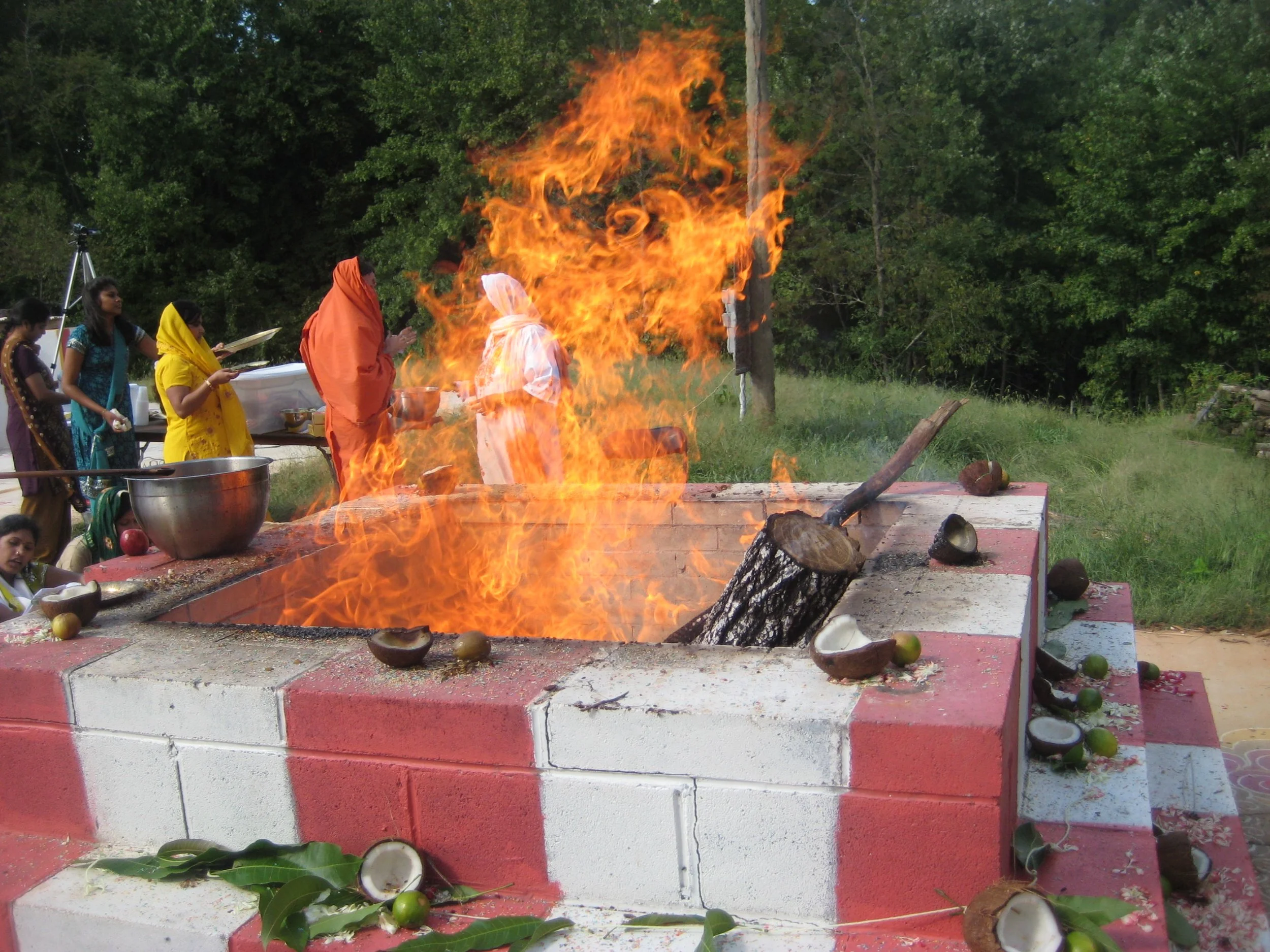
Yajna, homa, or havan is ritual worship making offerings to the Devas through the sacred fire (Agni). An example of a Vedic fire ceremony is the Agnihotra which is performed twice daily by married householders. Agni burns the offerings, carrying their subtle essence to the inner realms for the Devas. The Devas use the prana of the offerings to send blessings to the people and to purify the atmosphere through the smoke. Combining mantras (mystical incantations), tantras (ritual actions), yantra (mystical diagrams), dhyanams (meditations), mudras (hand gestures), nyasas (visualizations), upacaras (ceremonies), and ahutis (offerings), yajna empowers our prayers and intentions by opening channels to the inner realms to empower the Devas efforts to bless humanity.
The ceremony of Yajna deepens our meditation by stimulating all five senses. The practice awakens the fire of pure consciousness at the ajna chakra as it burns away our karmas and attachments. It helps uplift consciousness of society and removes negative energies from the environment helping to bring about normal rains and stable weather conditions, and to avert disease, pandemics, accidents, poverty, and natural disasters.
What you’ll get
-
✺
Background of the Vedic origins of the rituals and modern practices.
-
✺
How to perform all the rituals will be described in detail along with the mystical significance of the rituals and suggestions for abbreviating and simplifying the rituals for modern time restrictions.
-
✺
Materials and implements needed for the rituals along with adaptations for modern homes.
-
✺
Texts with notes from the lectures and illustrations and diagrams will be provided for continued study along with texts for various rituals.
-
✺
Suggestions for how to use the sacred ash and water from the rituals and how to get the most out of the practice will be covered also.
-
✺
The course provides everything needed to begin performing simple homam rituals at home for the peace of the world.
What’s inside

Module 1 - History, Terms and Scriptural Sources
This section addresses the background of the Vedic tradition of Yajna so that people can understand and appreciate the traditional context for the rituals.
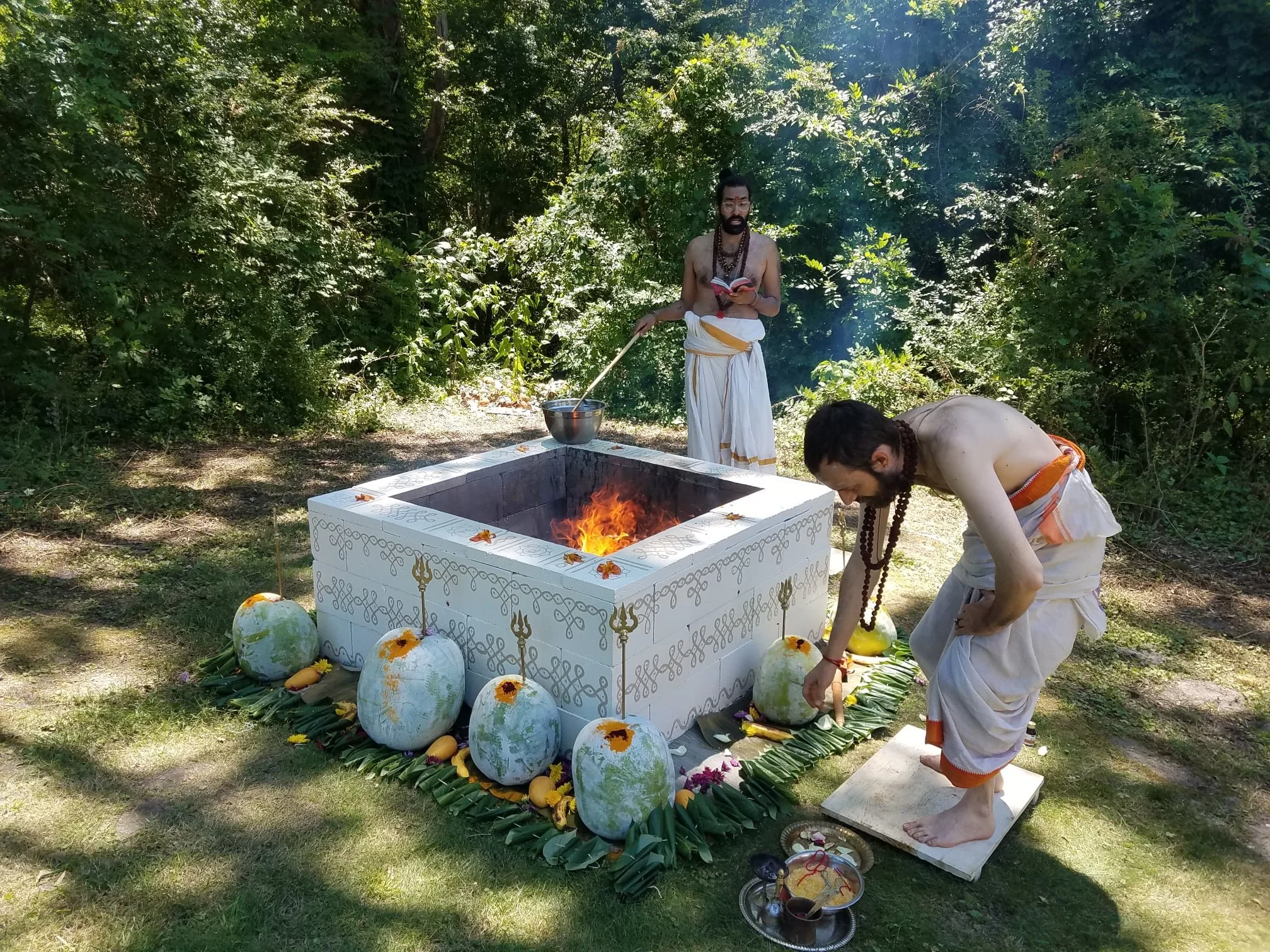
Module 2 - Vedic Yajna Rituals
This section discusses the scope of modern and traditional Vedic Yajna rituals
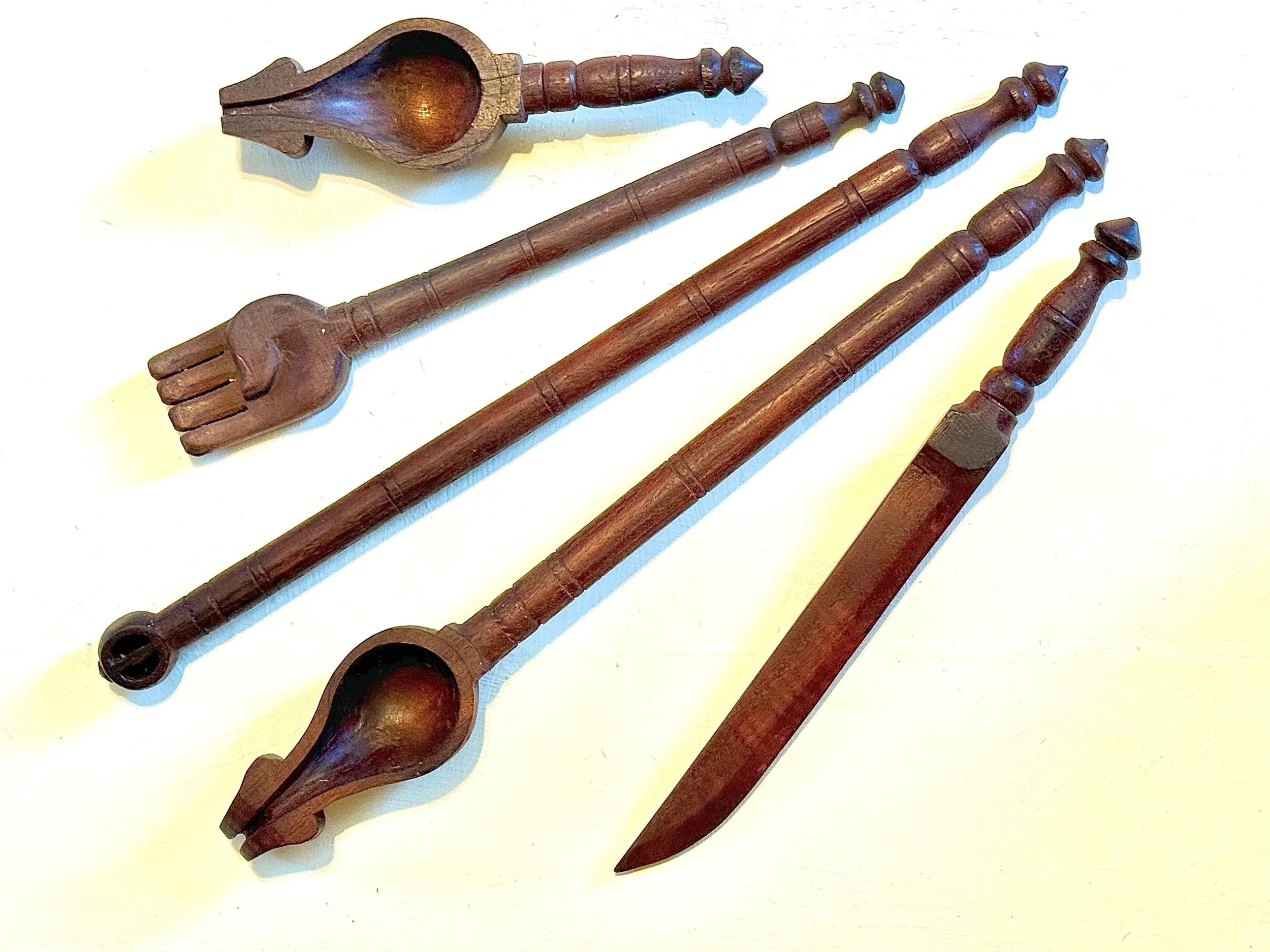
Module 3 - Yajna Upakaranas (Ritual Implements)
This section discusses the wide range of ritual implements used in Vedic and Modern times.
Module 6 - Performing the Rituals
This section teaches how to perform Yajna. The traditional rituals are taught in detail, and tips are provided for simplifying the practice for those getting started. Mantra texts are provided and audio recordings of the mantras for the rituals.
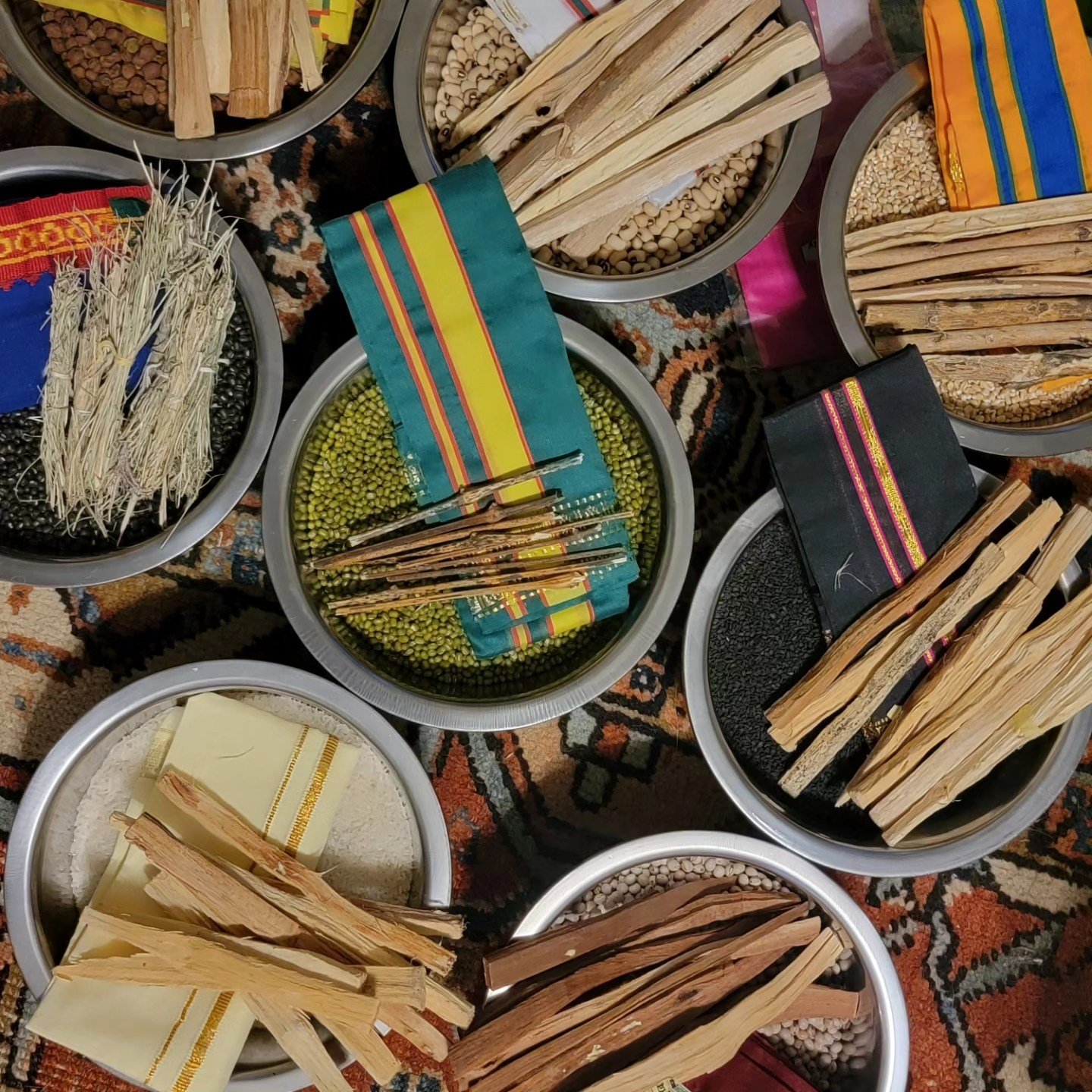
Module 4 - Dravyas (Substances for Offering)
This section discusses a wide range of different common offerings and their effects. Substances covered include ghee, wood, fruits, herbs, foods, flowers, and fragrant substances.
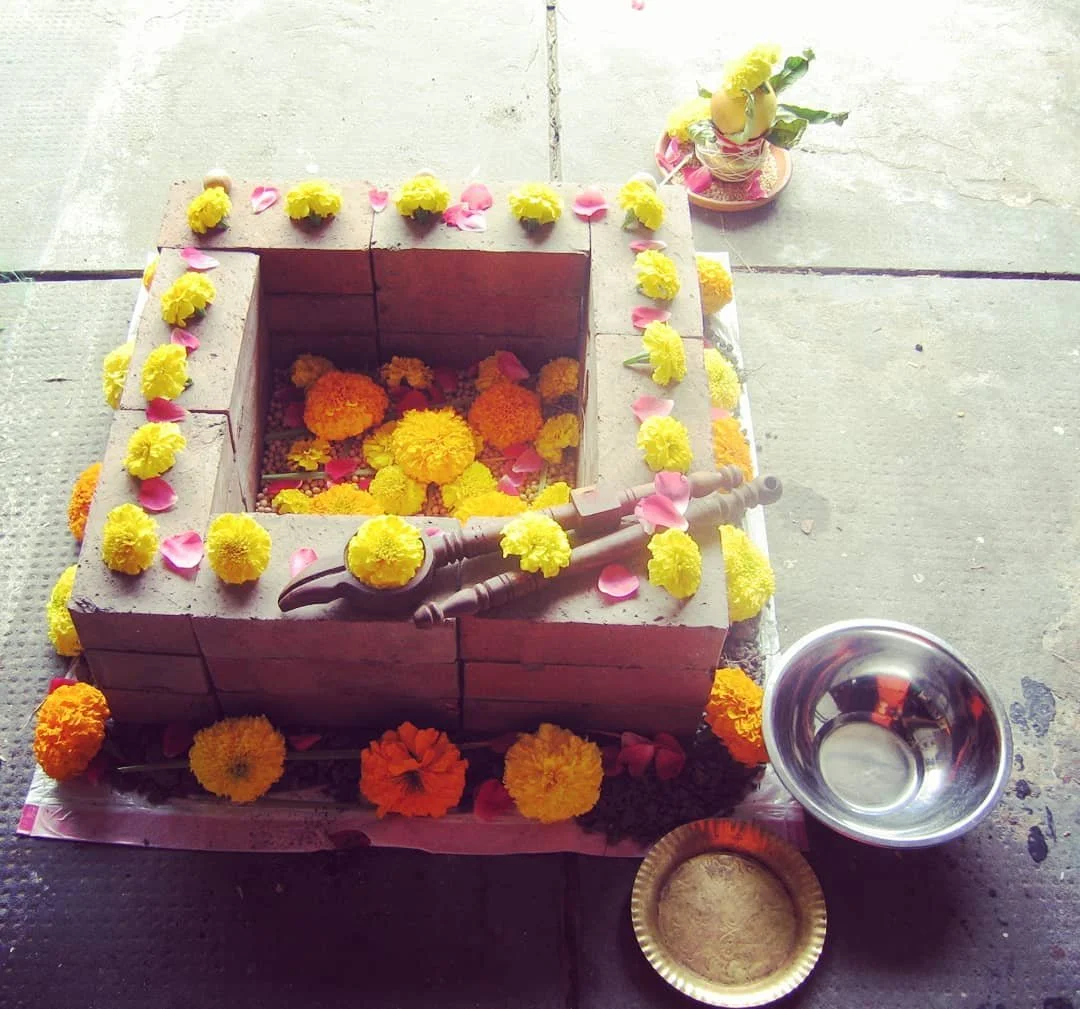
Module 5 - Preliminaries for Performing the Rituals
This section covers how the practices is done, preliminaries, and preparations for the rituals, and gives tips on how to further empower one’s practice.
Full Syllabus
Vedic Fire Altar
Description of the Vedic fire altar
Modern Agamic Fire Altars
Place for Homam at Home
Who Can Perform? Women, Children Etc...?
Women in Vedas
Reason for Performing Effects of Yajnam
Power of Homam
Effects of Homam Inner and Outer
Yajnam and Rain
Special Rain from Yajnam
Importance of Water in the Rituals
Varuna
Water Vessels - Pranita and Prokshani Patras
Use of Water in the Rituals
Prokshanam
Kumbhabhishekam
Agamic Verses Vedic Yajnam
Modern Practice of Agnihotra and Our Views
Adaptations for the Modern Home
Yagya Upakarana (Vessels Used in Yajna Rituals)
Traditional Implements for Vedic Rituals
Necessary Implements for Homam
Kunda - Fire Altar
Vessels
Spoons
Offerings
Preforming Homam
Importance of Sanskrit mantras
Definition of mantra
Introduction to Sanskrit Sounds for Westerners
Introduction to Veda Chanting and Veda Swaras for beginners
Preliminaries for yajnam
Karma dharma
Yama niyama
Dinacharya
Sandhya vandanam
Pancha yajnam
Yajnam in combination with other pujas / practices
Background
History
Meaning of yajna, homam, havana, and other terms for worship
Description of the rituals
Vedas - Vedic Shastras
Sruti Smriti
Four vedas
Four parts of Vedas
Recensions of Vedas
6 Vedangas
Upavedas
Other vedic texts
Puranas
Tantras
Agamas
Itahasas
Other texts
Types of Agni
10 forms of agni (5 natural, 5 ritual)
Different types and names of agni
Vedic Rituals including daily rituals: samidha danam, agnihotra and aupasanam.
the 3 Vedic Fires
the Four Vedic Priests
21 Vedic Yajnas
7 Paka Yajnams
7 Havir Yajnams
7 Soma Yajnams
40 Obligatory Rites
16 Samskaras - Rites of Passage
Pancha Maha Yajnams
Daily Rituals - Samidha Danam, Agnihotra, and Aupasanam
Monthly and other less regular yajnams
Pursha Medha
Substitutes for Animals in the rituals
Identity of Soma Plant
Nambudiri Brahmins and the Vedic rituals
Rituals
Logistics of fire worship
Rituals for establishing the sacred fire for the first time
Special offerings for accidental extinguishing of the fire or lack of practice
Preliminary offerings
Tips for keeping the fire burning
Sankalpa
Rituals of preparation and starting the fire
Traditional methods of starting the fire
Purvangam
Worship of agni
Main offerings - Pradhana homam
Samidha danam offerings
Agnihotra offerings
Aupasana offerings
Ganapati homam
Homam to other deities
Invoking deities into the fire
Specific offerings for specific deities
Specific offerings for specific purposes
Different types of homams
Mantras for homam
Alteration of the vedic mantras for offering in the sacred fire
Concluding offerings
Uttarangam
Purnahuti - final offering
Vasordhara - pouring a stream of ghee
Prarthanam and concluding mantras
How to empower and receive the blessings
Raksham - The sacred homa ash
Teertha Prokshanam - Sprinkling Holy water
Treatment of the Implements and the Place of Homam
How to get more from the practice
Course Details
- Total Class length - Over 38 hours of Video lectures
- Audio recording of all mantras for performing yajna, chanted slowly by Swamiji for learning
- 198 pages of class notes providing spellings and illustrations of the implements and procedures described in the lectures.
- 461 pages of mantras in Sanskrit and English transliteration for the Yajna rituals, various mantras suitable for use in yajna, and preliminary rituals like puja, punyahavachanam, and kumbhasthapanam
- Email support to ask any questions you have to Swamiji
- Recorded Class - Can be watched multiple times at a time that is convenient to you.
- Language: English
- Instructor: Swamiji
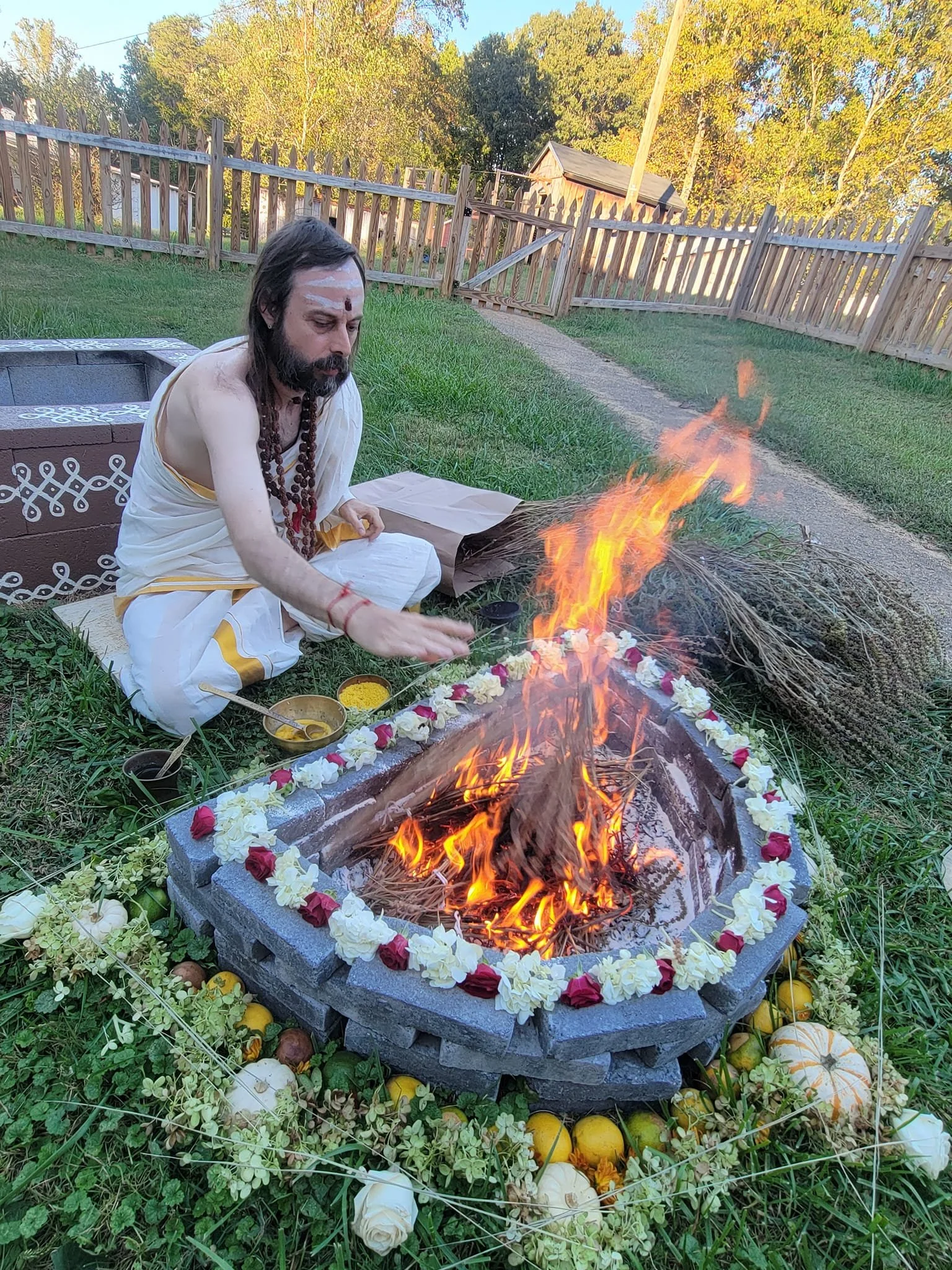
Yajna, homa, or havan is ritual worship making offerings to the Devas through the sacred fire (Agni). An example of a Vedic fire ceremony is the Agnihotra which is performed twice daily by married householders. Agni burns the offerings, carrying their subtle essence to the inner realms for the Devas. The Devas use the prana of the offerings to send blessings to the people and to purify the atmosphere through the smoke.